Extreme Cold & Heat Related Emergencies
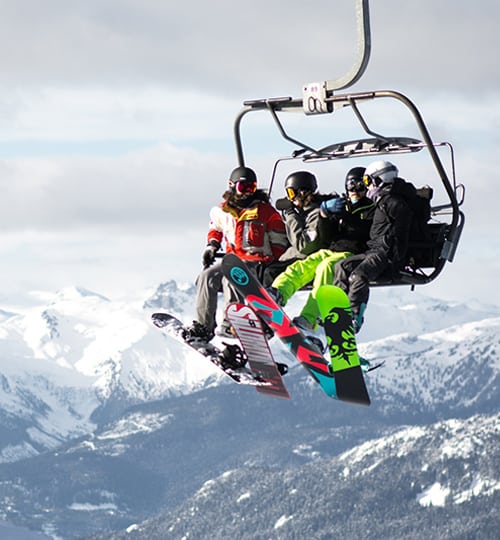
Cold-related emergencies can lead to serious conditions such as hypothermia and frostbite.
Hypothermia
Hypothermia occurs when the body is exposed to cold temperatures for an extended period of time, causing the body temperature to drop dangerously low. Certain medical conditions and older adults may reduce a person’s ability to sense cold temperatures, increasing the risk of hypothermia.
Signs may include confusion, shivering, weakness, slurred speech, and drowsiness.
Treatment includes:
- Removing any wet clothing
- Wrapping the person in warm, dry blankets
- Monitoring for signs of shock
- Seeking medical attention immediately
Frostbite
Frostbite is the freezing of body tissues and commonly affects the ears, nose, cheeks, hands, and feet. Because the affected area may become numb, a person may not realize frostbite has occurred.
Treatment includes:
- Gently warming the affected area with warm water
- Avoiding direct heat or extreme temperatures
- Seeking medical attention as soon as possible
Heat-Related Emergencies
Heat-related emergencies can also become life-threatening if not treated quickly. These conditions include heat cramps, heat exhaustion, and heat stroke.
Heat Cramps
Heat cramps are painful muscle spasms caused by dehydration and overheating.
Treatment includes:
- Moving to a cool location
- Drinking water or a sports drink
- Gently massaging the affected muscles
- Resting until symptoms improve before resuming activity
Heat Exhaustion
Heat exhaustion can develop quickly and may include:
- Intense thirst
- Cool, pale, or clammy skin
- Dizziness
- Headache
- Nausea
- Weakness
Treatment includes:
- Stopping all physical activity
- Moving to a cool place and lying down
- Removing excess clothing
- Drinking water or sports drinks
Call 911 if symptoms do not improve. Do not allow the person to resume activity until fully recovered.
Heat Stroke
Heat stroke is a medical emergency that occurs when the body can no longer regulate its temperature, causing it to rise rapidly.
Signs and symptoms may include:
- Hot, dry skin
- Slurred speech
- Dizziness
- Severe headache
- Rapid breathing
- Confusion
- Seizures
- Loss of consciousness
Call 911 immediately. Begin cooling the person by spraying or immersing them in cool water below the neck. If the person becomes unresponsive and is not breathing normally, begin CPR.