Bleeding & Wound Care
An open wound can range from minor to severe and, in some cases, may become life-threatening if not treated properly.
Types of Injuries and Treatment
Minor Open Wounds
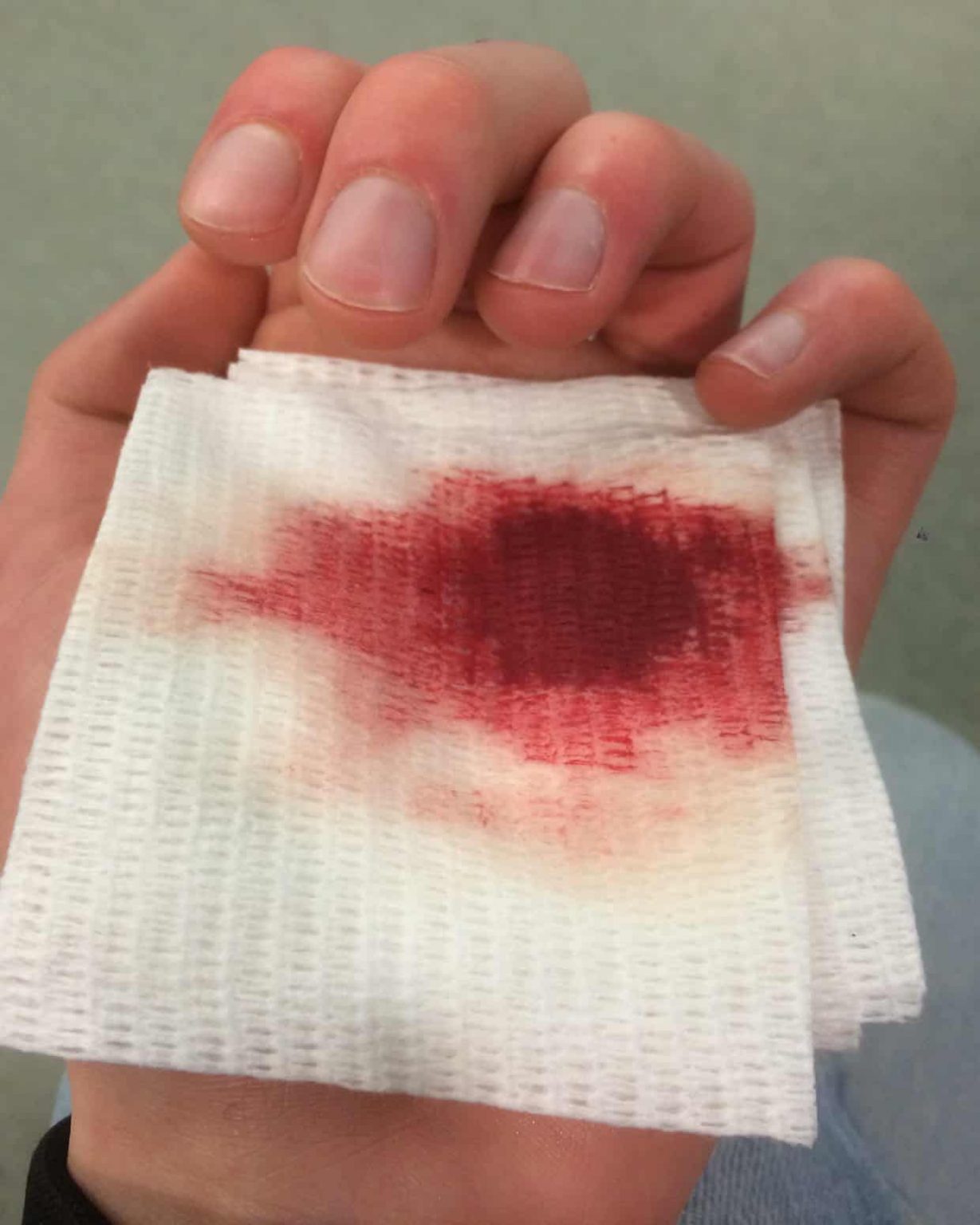
Minor bleeding can often be controlled by applying sterile, absorbent material directly to the wound with firm pressure until the bleeding stops. If blood soaks through the gauze or dressing, do not remove it. Instead, place an additional dressing on top and continue applying pressure.
Once the bleeding is controlled, cover the wound with a clean bandage and wrap it securely. Seek medical attention if you believe stitches may be needed to properly close the wound.
Severe Bleeding
Severe bleeding may involve blood spurting or rapidly flowing from the wound. Significant blood loss can become life-threatening and may cause the person to go into shock.
Apply direct pressure immediately. If the bleeding cannot be controlled with pressure alone, a tourniquet may be necessary.
A tourniquet should be placed approximately 2 inches above the injury site, but never directly over a joint. A makeshift tourniquet can be created using a cloth item such as a scarf, tie, towel, or shirt sleeve along with a sturdy object such as a stick or screwdriver.
Tie the cloth above the wound, place the sturdy object within the knot, and twist until the bleeding stops. Secure the object to prevent it from unwinding, note the time the tourniquet was applied, and call 911 immediately.
Penetrating or Impaled Objects
Penetrating or impaled objects can cause serious internal injuries. Do not remove the object unless it is blocking the airway. Stabilize the object with sterile dressings placed around it and seek emergency medical care.
Gunshot Wounds
Gunshot wounds require immediate emergency medical attention. Follow the same steps used for severe bleeding control and check for both entry and exit wounds. Do not move the injured person unless necessary for safety reasons or to perform CPR.
Internal Bleeding
Internal bleeding may not always be visible but can be extremely serious and life-threatening. It may result from trauma, ulcers, or damage to internal organs.
Signs and symptoms may include:
- Pain or swelling at the injury site
- Blood coming from a natural body opening
- Vomiting or coughing up blood
- Blood in the stool
- Signs of shock, such as pale skin, weakness, confusion, or rapid breathing
Call 911 immediately, keep the person calm, and control any visible external bleeding while waiting for emergency responders.