What is a Concussion
Concussion (Mild Traumatic Brain Injury)
A concussion, also known as a mild traumatic brain injury (TBI), can occur after a blow or impact to the head. Common causes include sports injuries, recreational activities, car or bicycle accidents, falls, and physical altercations.
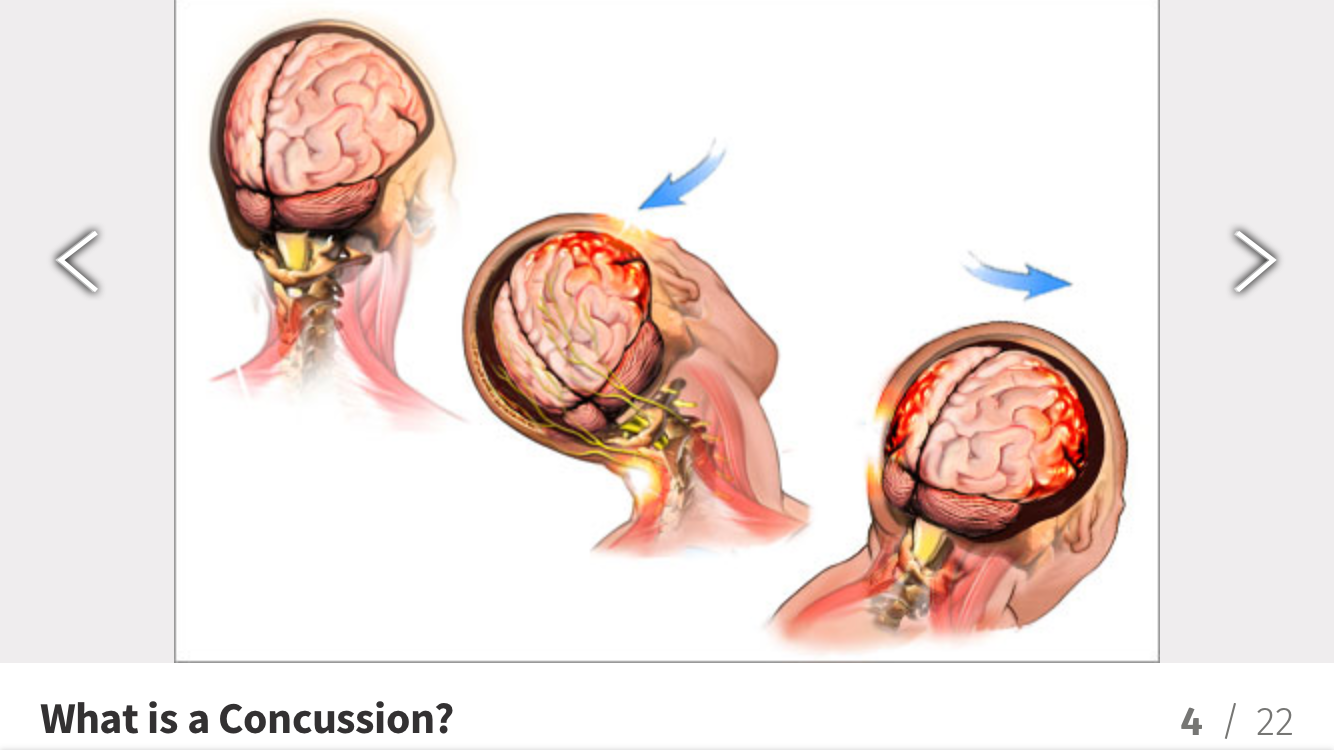
The brain is made of soft tissue and is cushioned by spinal fluid inside the skull. A sudden impact can cause the brain to move or shift within the skull, potentially leading to bruising and injury to nerves and blood vessels.
Signs and symptoms of a concussion may include:
- Confusion
- Clumsiness or loss of balance
- Slurred speech
- Nausea or vomiting
- Headache
- Ringing in the ears
- Behavioral or mood changes
- Dizziness
- Sensitivity to light or noise
Anyone suspected of having a concussion should seek medical attention promptly. A healthcare professional can evaluate the severity of the injury and determine whether additional testing or treatment is necessary to rule out bleeding, swelling, or other serious complications.